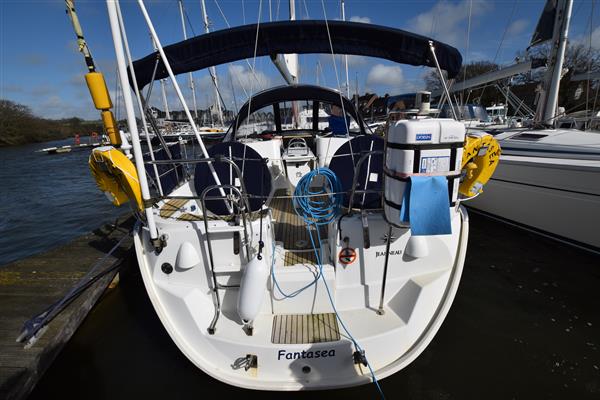
MAKE THE BOAT EARN THE JOURNEY.
Is This Boat Worth the Journey?
Five evidence-first checks before you spend a day travelling to view a used boat.
Get a free boat fit check before you travel.
Five evidence-first checks before you spend a day travelling to view a used boat.
Each complete magazine page is visible without scrolling. Choose Read bigger if you prefer larger scrolling text.
Use five evidence-first checks before spending a day travelling to view a used boat: define the reason to travel, confirm identity, request current evidence, count the complete viewing-day cost and decide what the visit must prove.
Write the few requirements that justify a long viewing day: intended use, size, layout, engines, access, location and realistic budget.
Name the hard stops before enthusiasm takes over: wrong dimensions, unsuitable access, missing engine history, unresolved damage or a price outside the complete budget.
Choose the minimum current evidence required before booking travel. A distant boat should earn the journey rather than receive it automatically.
Save the exact advert link, date checked, asking price, stated location and seller or broker contact.
Confirm make, model, approximate year and distinguishing details across the advert, live call and any records offered.
Ask whether the photographs and video show the boat now. Record anything changed, removed, repaired or still awaiting work.
Confirm who is answering, their role and whether they are authorised to arrange the viewing and discuss a possible sale.
Keep registration, hull or document identifiers private. Use them only for legitimate checks with appropriate professional help.
Ask for a short live video call or current continuous video showing the exterior, cockpit, saloon, cabins, heads and engine space without selective cuts.
Ask the camera to pause on the three details most likely to decide the trip. Do not ask anyone to enter unsafe spaces or dismantle equipment.
Request a plain account of faults, warnings, incomplete work, leaks, damage and equipment that cannot be demonstrated.
Ask which service, ownership, invoice and survey records can be reviewed at the viewing. Do not request unnecessary personal data.
Agree what can safely be shown on arrival and what needs a qualified surveyor, engineer or other marine professional.
Fuel or fares, tolls, parking, local transport and any overnight stay.
Time away from work or family, meals and the cost of bringing a suitable second person or professional where needed.
A first viewing may create a survey, sea-trial or second-viewing trip. Keep that possible cost visible.
Do not let sunk travel cost become a reason to overlook missing evidence or make a rushed commitment.
The boat still matches the few needs that justify the journey.
The seller or broker has answered clearly and supplied enough current evidence to make the trip purposeful.
The complete viewing-day cost and possible return trip are proportionate to the opportunity.
You know what must be demonstrated, photographed, measured and passed to a qualified professional.
Identity, fit and current evidence are consistent, the cost is sensible and the visit has a clear evidence plan.
An answer, current image, record, access detail or important demonstration remains unclear. Ask once more and keep the gap visible.
The boat fails a hard need, identity or authority is doubtful, important evidence is refused, pressure replaces answers or a qualified professional advises stopping.
CYR Marine provides organisation and decision support only. It does not verify an advert or seller and does not replace a qualified marine surveyor, engineer, skipper, insurer, lawyer, broker, finance provider or other suitable professional.
CYR Marine provides buyer-side organisation and decision support. This issue does not verify an advert or seller and does not replace a qualified marine surveyor, engineer, skipper, transport specialist, insurer, lawyer, broker, finance provider or other suitable professional.