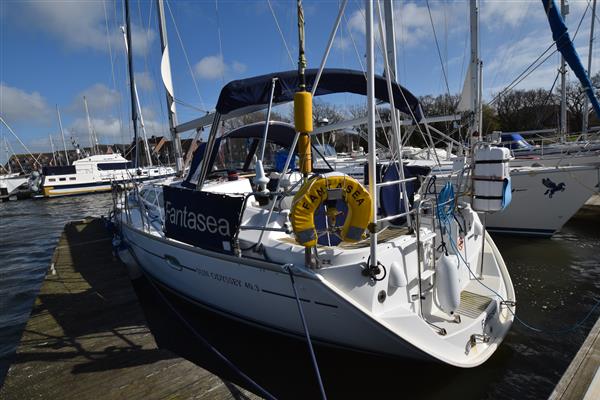
THE BERTH IS PART OF THE BOAT DECISION.
Will This Berth Work for Your Boat?
A practical guide to dimensions, approach, family access, terms, weather exposure and the complete annual cost.
Get a free boat fit check before you travel.
A practical guide to dimensions, approach, family access, terms, weather exposure and the complete annual cost.
Each complete magazine page is visible without scrolling. Choose Read bigger if you prefer larger scrolling text.
Use a berth record to compare the exact boat with dimensions, approach, family access, contract terms, weather exposure and complete annual cost. This guide organises questions and evidence; it does not approve a berth, mooring plan or navigation decision.
Record the current length overall, beam, draft, air draft and any appendages that affect the berth or route. Use reliable boat documents and direct measurement where appropriate.
Ask the marina for the usable length, width, depth and any limits created by piles, fingers, pontoons, walls or neighbouring boats.
Confirm how the marina applies declared limits, allowances and fender space. Do not assume that a nominal berth size guarantees a safe fit.
Check published depths, tidal constraints and the boat’s actual draft with the marina or harbour authority. Current local information must control the decision.
Record opening times, booking rules, air-draft limits, waiting areas and what happens when weather or traffic causes delay.
Ask about fairway width, crosswind, current, reversing space, assistance and any local procedure relevant to this exact berth.
Trace the complete route, navigation restrictions and seasonal limits. Use suitable charts, notices and competent local guidance.
Parking, luggage, trolleys, access hours and the walk from car to boat should work for the people who will actually use it.
Check pontoon height, finger length, freeboard, handholds, lighting and safe access for children, older relatives and reduced mobility.
Confirm shore power, potable water, toilets, showers, waste, pump-out or disposal arrangements and any separate charges.
Ask about noise, wash, privacy, security, Wi-Fi or signal, winter access and rules affecting overnight stays or work on the boat.
Confirm which boats, uses, insurance evidence and safety documents the marina requires before arrival.
Record start and end dates, notice, renewal, price review, transfer rules and what happens if the boat is sold or absent.
Separate berth fee, electricity, water, parking, storage, lifting, access cards, liveaboard limits and other chargeable services.
Read the actual contract and keep current insurance, inspections and permissions beside the berth record. Obtain suitable advice where consequences matter.
Ask which directions create the most exposure, how the berth behaves in strong conditions and whether alternative storm arrangements exist.
Plan for the berth structure, tidal range and boat movement. Use competent help for the actual mooring arrangement.
Name who can inspect the boat, when severe weather triggers a visit and how an urgent concern will be reported.
Record shore-power rules, water shut-off, access, security, ventilation and the plan when the boat is unused for longer periods.
Record the marina, berth number or allocation method, dimensions, structure and neighbouring constraints.
Keep the dated tariff, contract, plan, harbour guidance and written answers from an authorised marina contact.
View the route, access, berth and facilities at a relevant state of tide and at the times the family is likely to use them.
Attach the verified boat dimensions, handling needs, insurance requirements and any professional advice to the same record.
Give every unknown an owner and due date before paying a non-refundable fee or moving the boat.
Boat and berth dimensions, approach, access, services, terms, exposure, complete cost and remaining checks are recorded.
A depth, clearance, access rule, included service, contract term, weather concern or full-year cost is unclear or only verbal.
The boat cannot be shown to fit, a critical access limit is unresolved, the berth is unsafe for the intended use or material terms remain unacceptable.
CYR Marine provides buyer-side organisation and decision support only. Use current marina and harbour information plus suitable qualified marine, navigation, engineering, legal, insurance or other professional help for the actual boat and berth.
CYR Marine provides buyer-side organisation and decision support. This issue does not approve a berth, mooring arrangement or navigation decision and does not replace current marina or harbour guidance, a qualified marine surveyor, engineer, skipper, lawyer, insurer or other suitable professional.